
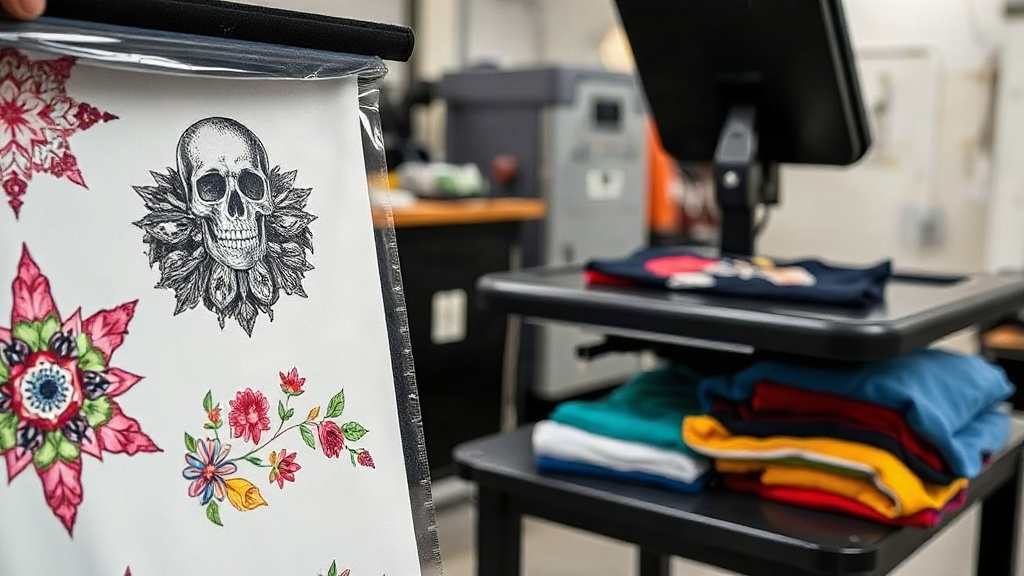
If you've searched for DTF printing solutions, you've likely typed "dtf transfers near me" into Google. This search is common among small business owners, custom apparel creators, and print shops looking to expand their offerings. But finding a reliable local supplier is about more than just proximity. In this guide, we'll explore what you need to know to make an informed choice, avoid costly mistakes, and get the best results for your projects.
What Exactly Are DTF Transfers?
Before diving into the search, let's clarify what DTF transfers are. DTF stands for Direct to Film. It's a printing method where designs are printed onto a special PET film, coated with adhesive powder, and then heat-pressed onto fabrics. This technique is popular because it works on various materials, including cotton, polyester, blends, and even some hard surfaces like mugs or caps.
Unlike traditional screen printing, DTF requires no screens, and unlike DTG (Direct to Garment), it doesn't limit you to 100% cotton garments. The result is vibrant, durable prints that can handle stretch and repeated washing.
Why Look for Local DTF Suppliers?
There are several benefits to finding a local supplier rather than relying solely on online giants. First, you can physically inspect the quality of their transfers. You can see the colors, feel the film, and even test the durability with your own hands. Second, turnaround times are often shorter because you can pick up orders or receive them locally without long shipping delays. Third, you can build a personal relationship with the supplier, which can lead to better pricing, customization, and faster responses to issues.
However, "near me" doesn't automatically mean "best for you." You need to vet each candidate carefully to ensure they meet your standards.
Key Factors to Evaluate When Searching for "DTF Transfers Near Me"
When you find local suppliers, don't just pick the first one that pops up. Evaluate them based on the following criteria:
Print Quality and Resolution
High-quality DTF transfers start with high-resolution printing. Ask to see sample prints. Look for crisp edges, smooth gradients, and accurate color matching. If the supplier uses low-quality inks or films, you'll notice poor color saturation or white underbase issues. A good transfer should have a soft hand feel and not look like a thick plastic sticker.
Film and Adhesive Quality
The PET film and adhesive powder play a crucial role in the final result. A thicker adhesive powder might sound durable, but if it's too thick, it can crack or peel. Conversely, too little adhesive means poor adhesion. Ask about the type of film they use and whether it's compatible with your heat press. Some films are designed for specific temperatures or pressures.
Ink Type and Color Gamut
Most DTF printers use either pigment or dye-sublimation inks. Pigment inks are standard for DTF because they work on both light and dark fabrics. However, the pigment quality affects vibrancy and wash fastness. Ask if they use water-based or solvent-based inks. Water-based is more eco-friendly and often yields better colors, but it requires proper curing. Ensure the supplier can produce Pantone colors if you need brand consistency.
Transfer Size Limitations
Some suppliers only produce transfers up to a certain size, like 11x17 inches. If you need larger prints for hoodies or back designs, confirm they can handle your requirements. Also, ask if they can print repeated patterns or custom cut shapes, not just rectangular sheets.
Pricing and Minimum Order Quantities
Local suppliers might have higher per-unit prices compared to overseas options, but you save on shipping and time. Inquire about MOQs. Some accept single-piece orders, which is great for small projects or testing. Others require a minimum of 50, which might be too much for a beginner. Compare quotes from at least three suppliers to gauge the market rate.
Turnaround Time and Reliability
Ask about their production time. A standard order might take 2-3 business days, but if you have urgent orders, find out if they offer rush services. Also, check their track record. Read online reviews or ask for references. A reliable supplier is worth extra money.
Customer Support and Customization
Good communication is vital. You may need to adjust colors, resize designs, or troubleshoot application issues. Test their responsiveness by emailing or calling with a question before ordering. They should be willing to help and provide guidance on how to press their transfers correctly.
How to Find DTF Suppliers in Your Area
Now, let's get practical. Here are concrete ways to discover local suppliers beyond a simple Google search:
- Search with intent: Use variations like "DTF printing services near me," "custom DTF transfers in [your city]," or "direct to film suppliers near me." Check the map results and read reviews.
- Visit local print shops: Many established print shops now offer DTF as an add-on. Walk in, ask questions, and see their equipment.
- Attend local trade shows: Events like the SGIA Expo or regional printing expos often have DTF suppliers. You can see live demos and network.
- Join local business groups: Facebook groups for local entrepreneurs or printmakers often have recommendations. Search for "DTF" in your city's Facebook groups.
- Ask your current suppliers: If you already buy garments or other printing supplies, ask your sales rep if they know any DTF transfer providers.
Don't underestimate word of mouth. Other business owners in your area can give you honest feedback about their experiences.
Questions to Ask a Potential DTF Supplier
When you've shortlisted a few, schedule a call or visit. Here's a checklist of questions to ask:
- What printing equipment do you use? (Look for brands like Epson, Mutoh, or Roland with DTF conversion.)
- Can you provide samples for testing? (Most reputable suppliers will charge a small fee, but it's worth it.)
- What is your maximum print size?
- Do you offer white toner or white underbase for dark garments?
- What is your typical turnaround time for a single-color design?
- Do you provide a template for artwork setup? (This shows they care about proper file preparation.)
- What is your adhesion powder type and how does it affect washability?
- Do you test each batch for quality before shipping?
- What is your return policy for defective transfers?
- Can you match specific Pantone colors?
Their answers will reveal their expertise and professionalism. A supplier who hesitates or gives vague answers might not be the best choice.
Common Pitfalls When Choosing Local DTF Providers
Even with careful vetting, mistakes can happen. Here are some red flags to watch for:
Poor Color Management
If the supplier doesn't use ICC profiles or color calibration, your prints might look dull or off-color. Ask if they do test prints for color accuracy. A good supplier will work with you to achieve the best results.
Using Incompatible Films
Not all PET films are created equal. Some are too thin, leading to curling or ghosting. Others have a coating that doesn't adhere well to certain fabrics. Ask for the brand of film they use and research it online.
Inconsistent Adhesive Application
The adhesive powder must be evenly applied and cured. If it's uneven, you'll get weak spots that peel after washing. Inspect samples under bright light to see if the powder is uniform.
Hidden Fees
Some suppliers charge extra for color correction, proofing, or faster shipping. Get a complete quote upfront, including any setup fees. Clarify if prices are per transfer or per square foot.
No Support for Application Issues
If you're new to DTF, you'll likely have questions about pressing temperature, time, and pressure. A good supplier will provide instructions and be available for troubleshooting. If they don't, you might end up with wasted transfers.
How to Test DTF Transfers for Quality
Before committing to a large order, do a test run. Create a simple design with gradients, fine text, and solid areas. Order a few transfers from your shortlisted suppliers and apply them to your typical garments. Then, wash them at least five times and observe for cracking, peeling, or fading. Also, stretch the fabric to see if the print flexes without breaking.
Here's a quick checklist for testing:
- Press onto a light fabric (like white cotton) and a dark fabric (like black polyester).
- Use a heat press with a temperature gun to ensure accuracy.
- Record the exact settings you used.
- After washing, inspect the edges and corners.
- Check the hand feel: a quality transfer should be soft and flexible, not stiff.
This process takes time but saves you from future headaches. Remember, the cheapest option isn't always the best value.
Tips for Working with a Local DTF Supplier
Once you've found a reliable partner, here's how to maintain a productive relationship:
Provide Print-Ready Files
Use a template if they provide one. Ensure your artwork is in the correct color mode (CMYK vs. RGB) and has a resolution of at least 300 DPI. Save files in high-quality PDF or PNG format with transparency. This reduces errors and speeds up production.
Order in Batches
If you have recurring designs, order in bulk to save money and time. Many suppliers offer volume discounts. Plan your inventory to avoid last-minute rushes.
Maintain Open Communication
If you notice any issues with an order, report it immediately. Good suppliers will appreciate your feedback and fix the problem. Also, share your upcoming projects with them so they can adjust their schedule.
Stay Updated on New Trends
DTF technology evolves. Ask your supplier about new films, powders, or techniques they've adopted. They might offer special effects like glitter or puff prints that can differentiate your products.
Frequently Asked Questions
How much do DTF transfers typically cost per piece?
The cost varies based on size, complexity, and quantity. On average, a standard 10x10 inch transfer might cost between $2 and $5 per piece for low quantities. Larger orders lower the unit price. Local suppliers might be slightly more expensive than overseas, but you save on shipping and time. Always ask for a detailed quote.
Can I apply DTF transfers to materials other than cotton?
Yes, DTF transfers work on a wide range of fabrics, including polyester, nylon, and blends. They also adhere to hard surfaces like ceramic mugs, wood, and metal if you use the right technique. However, the pressing temperature and pressure might need adjustment. Consult your supplier for specific recommendations.
How should I store DTF transfers before applying them?
Keep them in a cool, dry place away from direct sunlight and heat. Ideally, store them flat to prevent creasing. If you have a large inventory, use a storage rack or plastic bins. Always handle them with clean, dry hands to avoid contamination.
What if I don't have a heat press? Can I use an iron?
While a heat press is recommended for consistent results, you can use a household iron in a pinch. Set it to the highest temperature without steam and apply firm pressure for about 15-20 seconds. However, the pressure might not be even, leading to weaker adhesion. Consider investing in a small clamshell heat press for better outcomes.
Are DTF transfers environmentally friendly?
Most DTF inks are water-based, which is better than solvent-based inks. However, the PET film is plastic, which has environmental concerns. Some suppliers use recyclable films or offer a take-back program. Ask your supplier about their sustainability practices.
Final Thoughts
Finding the right dtf transfers provider can transform your business. By focusing on quality, communication, and testing, you'll ensure your products stand out. Don't be afraid to ask questions and request samples. A reliable local partner can offer convenience and personal service that online giants can't match. Start your search today, and you'll soon have vibrant, durable prints that impress your customers.