
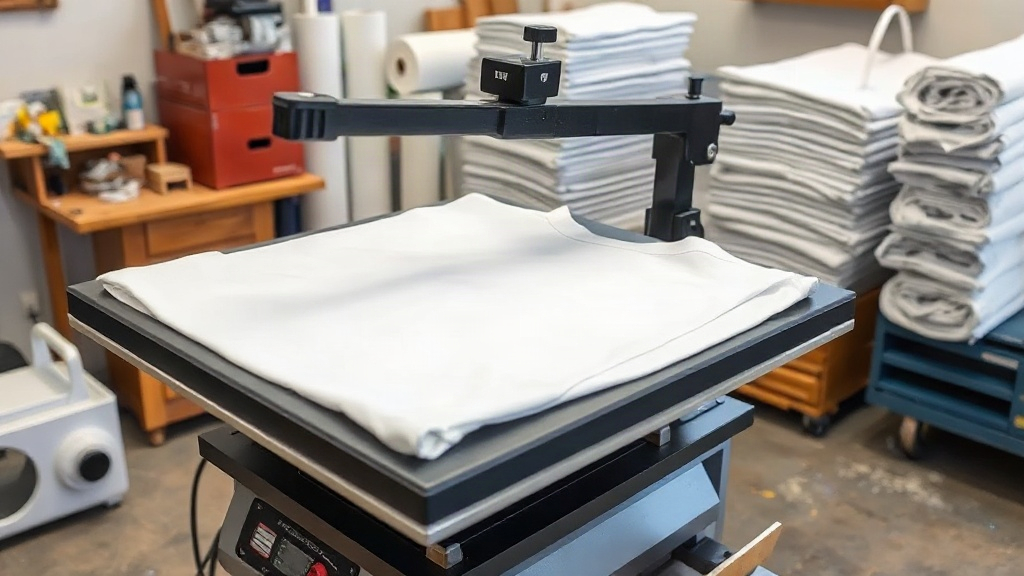
When you're printing custom apparel, the combination of DTF transfers with blank garments from Shaka Wear and Smart Blanks can produce outstanding results. But not all blanks are created equal, and each fabric blend reacts differently to heat and adhesive. This guide will walk you through the nuances of using DTF transfers on these popular brands, so you can achieve professional-quality prints that survive wash after wash.
Why DTF Transfers Are a Game-Changer for Custom Apparel
DTF transfers have revolutionized the custom apparel industry because they allow you to print full-color designs onto a wide range of fabrics without the need for weeding or specialty vinyl. Unlike screen printing, DTF doesn't require a different screen for each color, making it cost-effective for short runs and complex artwork. The transfer film carries a powdered adhesive that bonds to the fabric when heat-pressed, creating a durable, stretchable print.
For print shops and hobbyists alike, the appeal is clear: you can offer vibrant, detailed designs on demand. But the success of a DTF print depends heavily on the blank you choose. That's where Shaka Wear and Smart Blanks come into play.
Understanding Shaka Wear Blanks
Shaka Wear is known for its heavyweight, streetwear-inspired tees and hoodies. Their garments are typically 100% cotton or cotton-poly blends, often with a tight knit and a smooth surface. This makes them an excellent canvas for DTF printing. The dense fabric holds the adhesive well, and the smooth surface allows the transfer to sit flat, minimizing the chance of peeling.
Fabric Composition and DTF Compatibility
Most Shaka Wear tees are made from 100% cotton or a 50/50 cotton-poly blend. Cotton provides excellent adhesion for DTF transfers, while polyester can sometimes cause the ink to appear slightly duller. However, Shaka Wear's blends are usually high-quality, and with proper pressing, you can achieve bright, opaque prints. Their hoodies often have a brushed interior, but the exterior face is smooth, which is what matters for DTF.
Best Practices for Pressing on Shaka Wear
When pressing DTF transfers onto Shaka Wear, pre-press the garment for 5-10 seconds to remove moisture and wrinkles. Set your heat press to 320°F (160°C) with medium pressure. Press for 15 seconds, then peel the film while it's still warm (warm peel). If you're using a cold peel film, wait until it cools completely. Always test with a small piece first, as different DTF films have specific instructions.
Smart Blanks: A Smart Choice for DTF
Smart Blanks are designed with the decorator in mind. They offer a variety of styles, from classic tees to tank tops and youth sizes, often at competitive prices. Their fabrics are generally 100% cotton or cotton-poly blends, and many of their styles are ring-spun for a softer feel. This softness can be a double-edged sword for DTF: while the print feels great, the fabric's texture may require slightly more pressure to ensure the adhesive penetrates the fibers.
Fabric Varieties and Their Impact on DTF
Smart Blanks come in several fabric weights. Their lighter-weight tees (around 4.2 oz) are perfect for summer events but may need a lower temperature to avoid scorching. Heavier options (5.5 oz and up) are more forgiving. Poly-cotton blends are common, and while DTF works on them, you might notice a slight difference in vibrancy compared to 100% cotton. For best results, choose 100% cotton styles when possible.
Step-by-Step DTF Application on Smart Blanks
- Preheat your press to 300-320°F (150-160°C).
- Pre-press the garment for 5 seconds to remove wrinkles and moisture.
- Place the DTF transfer with the printed side up.
- Press for 12-15 seconds with medium-heavy pressure.
- Peel the film warm or cold according to the film's instructions.
- Post-press for 5 seconds with a Teflon sheet or parchment paper to ensure the print is fully embedded.
This process works well for most Smart Blanks styles, but always check the garment's care label for temperature limits.
Comparing Shaka Wear and Smart Blanks for DTF Transfers
Both brands offer excellent options, but they cater to slightly different markets. Shaka Wear leans toward streetwear with heavier fabrics and a boxier fit, while Smart Blanks provides a broader range of styles and a softer hand. For DTF, Shaka Wear's dense cotton is very forgiving, while Smart Blanks' softer fabrics may require a bit more finesse in pressing. However, with the right technique, you can achieve great results on both.
Consider your target audience: if you're printing for a streetwear brand, Shaka Wear might be the better choice. For promotional items or soft, retail-ready tees, Smart Blanks could be ideal. Either way, DTF transfers give you the flexibility to produce high-quality prints without inventory risk.
Common Pitfalls and How to Avoid Them
Even with quality blanks, DTF printing can go wrong if you overlook key details. Here are some common issues and solutions:
- Peeling after wash: This usually happens due to insufficient pressure or under-curing. Increase pressure and ensure your press is at the correct temperature. Also, post-press for a few seconds to fully activate the adhesive.
- Dull colors: If your print looks faded, you might be pressing too hot or too long, scorching the ink. Reduce temperature or time. Also, ensure the garment is pre-pressed to remove moisture.
- Cracking: Cracking often occurs when the transfer is stretched during peeling. Always peel at a low angle, and if warm peeling, do it quickly and smoothly.
- Adhesive residue: If you see leftover film, you might be using too much pressure or the wrong peel method. Try cold peel if warm peel leaves residue.
By troubleshooting these issues, you'll save time and materials, and your customers will be happier with the results.
Washing and Care Instructions for DTF-Printed Apparel
To ensure your DTF prints last, instruct your customers to:
- Wait 24 hours before the first wash.
- Turn the garment inside out.
- Machine wash cold with mild detergent.
- Avoid bleach and fabric softeners.
- Tumble dry low or hang dry.
- Do not iron directly on the print.
Following these guidelines will extend the life of the print, keeping it vibrant and intact for many wears.
Frequently Asked Questions
Can I use DTF transfers on 100% polyester Shaka Wear garments?
Yes, but you'll need to adjust your press settings. Polyester requires lower temperatures (around 280-300°F) to avoid dye migration and scorching. Also, use a polyester-specific DTF film or a low-temperature adhesive powder. Always test on a scrap piece first.
What is the best peel method for Smart Blanks tees?
Most DTF films for Smart Blanks work well with warm peel, but it depends on the film manufacturer. Check the instructions that come with your transfers. If you experience residue, try cold peel. Consistency is key: stick to one method and dial in your press settings.
How do I prevent the DTF print from feeling stiff on Shaka Wear hoodies?
Stiffness can occur if too much adhesive is used or if the print is too thick. Use a high-quality DTF film with a thin adhesive layer, and avoid over-pressing. Also, post-press with a Teflon sheet can help flatten the print without adding stiffness. Remember, Shaka Wear hoodies are heavyweight, so a slight feel is normal, but it should not be crunchy.
Can I stretch DTF prints on Smart Blanks without cracking?
DTF prints have some stretchability, but excessive stretching can cause cracking. When pressing, ensure the garment is flat and not stretched. After printing, the print will move with the fabric to a degree. For high-stretch areas, consider using a DTF film designed for stretch fabrics. Proper curing also improves elasticity.
What pressure should I use for DTF on Shaka Wear and Smart Blanks?
Medium to medium-heavy pressure is generally recommended. You want the press to compress the fabric slightly but not flatten it completely. For Shaka Wear's heavy cotton, you might need more pressure than for Smart Blanks' softer tees. Start with medium and adjust based on your test results.
With these insights, you're well-equipped to tackle DTF printing on Shaka Wear and Smart Blanks. Remember, practice makes perfect, so don't hesitate to experiment with scrap garments. For high-quality DTF transfers and blank apparel, visit dtfworlds.com.