

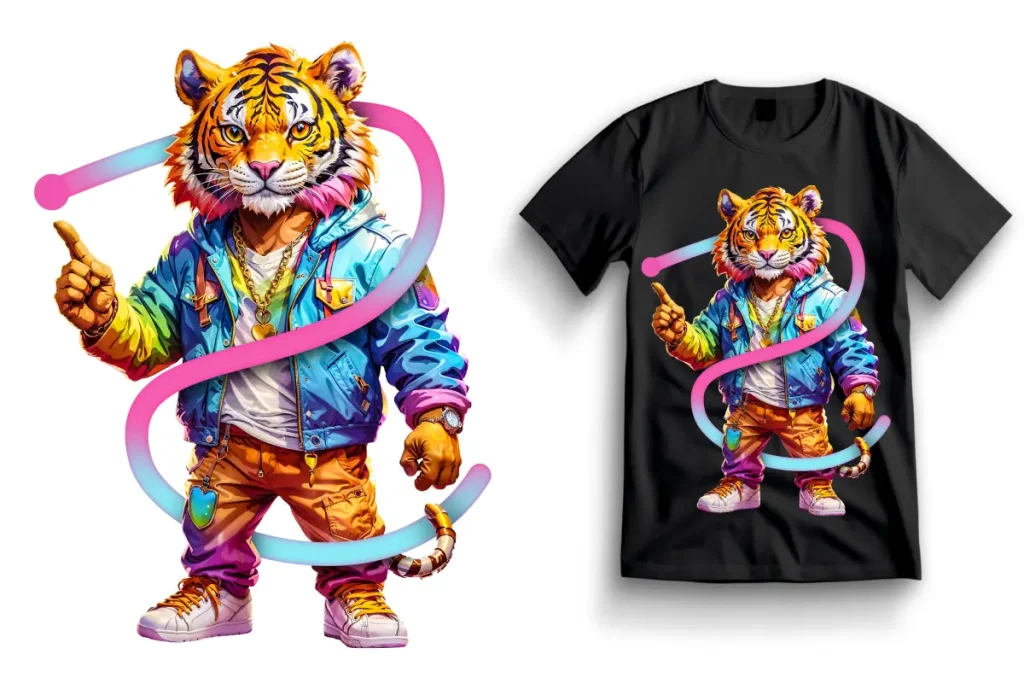
The apparel decoration industry is shifting fast, and local creators face a constant challenge, finding high-quality printing methods that balance durability with vibrant colors. For custom apparel shop owners, independent fashion designers, and local sports organizers, the visual impact of a custom shirt relies entirely on the quality of its print. While old-school screen printing has its place, the modern standard for vibrant, long-lasting custom merchandise lies in dtf transfers. This digital method prints full-color artwork directly onto a specialized release film, which is then backed by a heat-activated adhesive powder. The result is a highly flexible, durable print ready to be pressed onto almost any fabric. For creators trying to scale their production without losing design fidelity, understanding how to source the best prints locally becomes an absolute game changer.
The Evolution of Modern Fabric Decoration
Garment printing used to mean choosing between the heavy setup costs of screen printing or the rigid, plastic feel of standard vinyl. Screen printing requires burning individual mesh screens for every single color in a design, making small runs or multicolored graphics incredibly expensive. On the flip side, direct-to-garment digital options often struggle to maintain brightness when applied to dark polyester or heavy blends. This is where DTF technology fundamentally changes the landscape. By separating the printing process from the fabric itself, this system allows full-color gradients, sharp text, and ultra-fine photographic details to be printed onto a carrier film first. Because the white ink layer is printed directly behind the colored graphics on the film, the final transfer remains completely opaque and vibrant, no matter if you apply it to a pitch-black cotton hoodie or a bright neon polyester jersey.
Working with professional films means you bypass the tedious weeding process required by traditional HTV. There is no excess material to cut away, and no intricate negative spaces to pick out with a hook tool. The heat-activated adhesive powder only sticks to the printed ink areas during the curing process. When you press the design onto a shirt, only the artwork transfers over. For growing local brands managed by Harwin DTF, this translates to faster turnaround times, lower labor costs, and the creative freedom to design without counting how many colors are in the artwork. You get the soft, breathable feel of an upscale retail print with the rugged washability required for everyday wear.
Why Local Sourcing Matters for Custom Apparel Businesses
When you are managing tight production windows or preparing for a last-minute weekend market, waiting a week for a shipping carrier to deliver your custom prints is an unacceptable risk. Searching for high-quality dtf transfers near me is the fastest way to eliminate shipping delays and regain control over your production timeline. Sourcing your transfers locally allows you to double-check color accuracy, inspect material feel, and pick up your rush orders the very same day. Instead of guessing how an online graphic will look on fabric, local production lets you test and iterate quickly, ensuring your customers get an exceptional product every time.
Proximity also gives you a significant advantage when building gang sheets, which are layout files that pack multiple designs onto a single continuous roll of film to maximize print efficiency. If you spot a layout error or a missing logo right before production, a local partner can help you fix the file on the fly rather than rejecting the order and pushing your delivery back by days. For businesses operating out of busy regional hubs, securing a trusted local printing partner means you can accept last-minute bulk orders from corporate clients or school sports teams with absolute confidence, knowing your supply chain is just a short drive away.
Finding Top-Tier Production Quality in Texas
The regional market for custom printing is highly competitive, but finding the absolute best dtf transfer at Houston requires looking closely at production equipment and material standards. Not all digital transfers are engineered equally. Premium shops stand out by utilizing high-end commercial dual-head print setups, specialized color-matching ICC profiles, and premium TPU adhesive powders. These industrial components ensure that the ink binds perfectly to the carrier film without bleeding, resulting in sharp edges and smooth gradients that cheaper desktop conversions simply cannot replicate. Harwin DTF emphasizes these rigorous production standards so that every print maintains its soft, retail-grade stretchability without cracking under pressure.
When evaluating a printing partner for Houston dtf transfer fulfillment, local creators should look for shops that provide consistent, heavy white ink backing. A solid white underbase acts as a complete visual barrier, blocking the dye of the underlying fabric from migrating into your design. This is especially vital when pressing light-colored logos onto sublimated polyester sportswear, where dye migration often turns white text into a dull, muddy grey. A top-tier local supplier will also offer clear technical guidelines regarding press temperatures, pressure levels, and peel styles, giving you all the tools needed to achieve a flawless application on your heat press machine.
Step-by-Step Guide to Preparing Flawless Digital Artwork
Achieving a retail-ready finish depends heavily on how you prepare your digital design files before sending them to the printer. Follow this step-by-step workflow to ensure your custom graphics transfer perfectly to the film:
- Set the Perfect Resolution: Always create and export your artwork at a minimum of 300 DPI at the exact physical dimensions you want it printed. Designing at a lower resolution or trying to upscale a small internet graphic leads to blurry, pixelated edges on the final fabric.
- Maintain True Transparency: Save your final files as transparent PNGs or vector PDFs. Ensure there are no stray pixels, semi-transparent glows, or hidden white backgrounds. The adhesive powder will stick to any pixel that contains ink, so your background must be completely empty.
- Verify Minimum Line Thickness: Ensure all fine details, script fonts, and standalone lines are at least 0.5 mm thick. If a design element is too thin, it will not hold enough wet ink to retain the adhesive powder, causing those tiny details to wash out or fail to stick during pressing.
- Manage Your Color Profiles: While digital screens display artwork in RGB mode, commercial textile systems print using CMYK inks. Preview your designs in CMYK mode within your design software to catch and adjust any neon or ultra-bright color shifts before exporting your files.
Frequently Asked Questions About Custom Heat Transfers
What is the ideal heat press setting for applying these transfers?
For standard cotton and poly-blend garments, you should set your heat press between 285 degrees Fahrenheit and 300 degrees Fahrenheit. Apply firm, medium-heavy pressure for 10 to 12 seconds. If you are working with delicate synthetic fabrics like 100 percent polyester, lower the temperature slightly to prevent scorching the fabric.
What is the difference between hot peel and cold peel release films?
Hot peel films allow you to strip away the plastic carrier sheet immediately after opening the press, maximizing production speed. Cold peel films require the garment to cool down entirely to room temperature before removal. Cold peel options generally deliver sharper detail retention and a smoother matter finish for intricate designs.
How long do these digital custom prints last on a standard t-shirt?
When applied properly with correct temperature and pressure, high-quality digital prints will easily last between 50 to 60 wash cycles before showing any signs of wear. To maximize the lifespan of your custom apparel, instruct your customers to wash the garments inside out in cold water and avoid high-heat tumble drying.
Can I apply these transfers using a standard home iron?
A home iron is not recommended for commercial orders because it cannot provide the perfectly uniform heat and heavy, consistent pressure required to fully activate the adhesive powder. For durable, long-lasting retail results, you should always use a reliable, dedicated flatbed heat press machine.
Elevating Your Local Brand with Reliable Custom Prints
Scaling a local clothing line or maintaining a busy fulfillment shop requires production tools that deliver consistent, repeatable results. By utilizing commercial-grade dtf transfers, you bypass the design limitations of traditional printing methods and unlock unlimited full-color creativity. Sourcing your supplies from a trusted local provider helps you eliminate costly shipping wait times, reduce material waste, and respond instantly to changing customer demands. Partnering with a dedicated regional specialist like Harwin DTF gives you direct access to the high-performance materials and expert technical support needed to turn bold creative concepts into durable, professional apparel that stands out in the modern marketplace.