
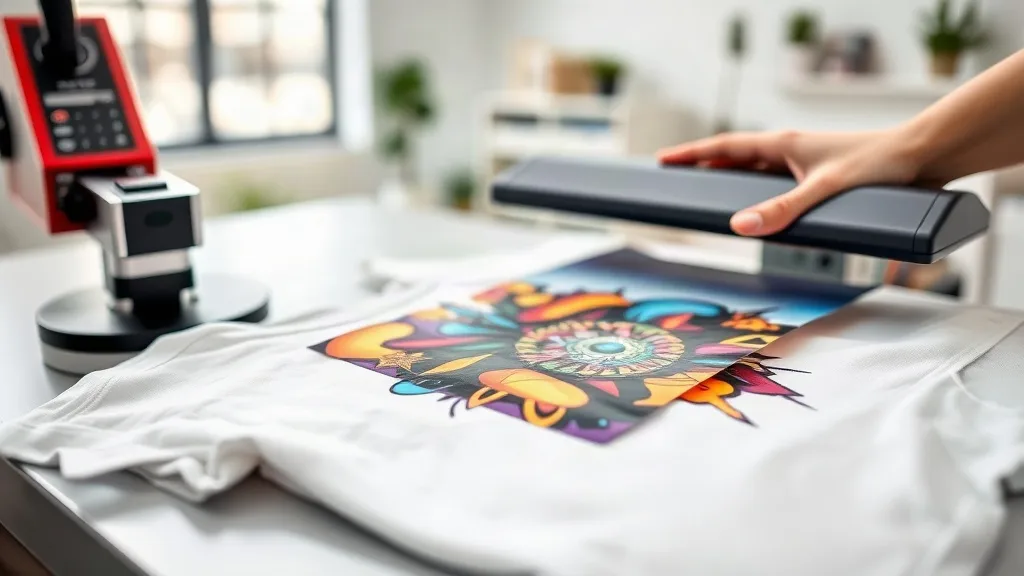
If you have ever wanted to print your own designs on t-shirts, tote bags, or hoodies, you have probably heard about dtf printing. This innovative technology has taken the custom apparel world by storm, offering a level of flexibility and quality that was once only possible with expensive industrial equipment. Whether you are a small business owner looking to expand your product line or a hobbyist eager to create personalized gifts, understanding dtf transfers can open up a world of creative possibilities. In this guide, we will walk you through everything you need to know about DTF printing, from the basics to advanced tips, so you can start producing professional-grade apparel right from your home or workshop.
What Are DTF Transfers?
DTF stands for Direct to Film. It is a printing method where your design is printed onto a special film, coated with a adhesive powder, and then heat-pressed onto fabric. Unlike other printing techniques that require specific fabric types or pre-treatment, DTF works on almost any material, including cotton, polyester, blends, and even leather. The process involves a specialized printer that uses water-based inks to print the design onto a PET film. After printing, a fine powder is applied to the wet ink, which acts as a adhesive when heated. The film is then cured, and once ready, it can be stored for later use or immediately applied to a garment using a heat press.
The beauty of DTF lies in its simplicity and versatility. You do not need to worry about cutting or weeding like you would with vinyl. The design is printed in full color, so you can achieve photographic-quality images with fine details and gradients. This makes it ideal for complex artwork, small text, and vibrant logos. Additionally, because the transfers are printed on a film, you can prepare them in advance and apply them on demand, which is perfect for businesses that offer custom products with quick turnaround times.
How DTF Transfers Differ from Other Printing Methods
To appreciate DTF fully, it helps to compare it with other common printing methods like screen printing, DTG (Direct to Garment), and vinyl. Each has its strengths and weaknesses, but DTF often comes out on top for small to medium-sized businesses due to its low setup costs and high versatility.
DTF vs. Screen Printing
Screen printing requires creating a separate screen for each color in your design, which can be time-consuming and expensive for multi-color jobs. It is cost-effective for large orders of simple designs, but for detailed artwork or small batches, the setup costs can be prohibitive. DTF, on the other hand, requires no screens and no minimum order quantity. You can print one shirt or one hundred with the same ease, and the colors are vibrant and durable. Plus, DTF transfers can be applied to a wider range of fabrics, including dark and light materials, without the need for different inks or processes.
DTF vs. DTG
DTG printing is similar to DTF in that it prints directly from a digital file, but it prints directly onto the garment. This method works best on 100% cotton fabrics and often requires pre-treatment to ensure the ink adheres properly. The colors can appear muted on dark shirts, and the feel of the print is often softer but less durable. DTF transfers, however, produce a slightly raised, rubbery feel that many find acceptable and are known for their exceptional wash durability. They also work on polyester and blends without the dye migration issues that can plague DTG on synthetic fabrics.
DTF vs. Vinyl
Heat transfer vinyl (HTV) is a popular choice for hobbyists because it is easy to use with a cutting machine. However, vinyl is limited in color and complexity; you cannot print gradients or photographs, and weeding intricate designs can be tedious. DTF eliminates these limitations. You can print any design in full color, and there is no weeding required. The transfers are ready to apply after a simple curing process, making DTF a more efficient option for detailed and colorful artwork.
The DTF Printing Process Step by Step
Understanding the DTF process can help you troubleshoot issues and produce better results. Here is a breakdown of the key steps:
- Design Preparation: Create your artwork using graphic design software. Ensure it is in a high-resolution format (300 DPI or higher) and mirrored horizontally before printing. This is crucial because the transfer will be flipped when applied.
- Printing: Load the DTF film into your printer and print the design using DTF inks. The printer lays down a layer of white ink first (for opacity on dark fabrics) followed by the color layers. Some printers also print a clear adhesive layer.
- Powder Application: While the ink is still wet, sprinkle the hot-melt adhesive powder evenly over the design. Shake off the excess powder, ensuring that only the printed area retains the powder.
- Curing: Place the film in a curing oven or under a heat press at a specific temperature (usually around 160°C/320°F) for a short time (2-3 minutes) to melt the powder and set the ink. The transfer is now ready to use or store.
- Heat Press Application: Preheat your heat press to the recommended temperature (usually 150-160°C/300-320°F). Place the transfer on the garment with the printed side facing up (or down, depending on the film type). Press for 10-15 seconds with medium pressure. Peel the film while it is still hot (hot peel) or after it cools (cold peel), following the film instructions.
- Post-Pressing: For added durability, some recommend a second press with a Teflon sheet for a few seconds to ensure the transfer is fully embedded into the fabric.
Mastering each step takes practice, but once you get the hang of it, you can produce transfers quickly and consistently. The key is to maintain consistent temperature, pressure, and timing.
Why Choose DTF Transfers for Your Business?
If you are running a custom apparel business, DTF transfers offer several compelling advantages that can help you stay competitive and profitable.
- Low Startup Costs: Unlike screen printing, which requires expensive equipment and space for screens, DTF setup is relatively affordable. A decent DTF printer and heat press are the main investments.
- No Minimum Orders: You can print one-off designs without wasting materials. This is perfect for personalized gifts or testing new designs.
- Versatility: Print on a wide range of fabrics and colors. Whether it is a 100% cotton t-shirt, a polyester jersey, or a canvas tote bag, DTF works.
- Durability: DTF transfers are known for their excellent wash fastness. When applied correctly, they can withstand dozens of washes without fading or cracking.
- Vibrant Colors: The water-based inks produce bright, opaque colors that stand out on any garment. You can achieve photographic quality that other methods struggle to match.
- Efficiency: With DTF, you can print multiple transfers on a single sheet, cure them, and store them for later. When an order comes in, you simply press and ship. This streamlines your workflow and reduces turnaround time.
These benefits make DTF an attractive option for startups, side hustles, and established businesses looking to diversify their offerings.
Common Challenges and How to Overcome Them
While DTF is user-friendly, beginners often encounter a few hurdles. Here are some common issues and their solutions:
1. Poor Adhesion
If the transfer peels off after washing, it could be due to insufficient pressure, incorrect temperature, or not enough powder. Ensure your heat press is calibrated and apply consistent pressure. Also, make sure the powder is applied evenly and cured properly.
2. Dull Colors
Dull colors often result from using too little ink or improper curing. Check your printer settings and ensure you are using high-quality DTF inks. Also, verify that the white ink layer is sufficient for dark garments.
3. Film Sticking
If the film sticks to the garment during peeling, it might be because you are peeling too soon or too late. Follow the film manufacturer's instructions for hot peel or cold peel. Adjust your timing accordingly.
4. Powder Clumping
Excess powder can clump and create a rough texture. After applying powder, give the film a gentle shake to remove excess. You can also use a powder shaker for more even distribution.
With a bit of experimentation, you can overcome these challenges and achieve professional results.
Tips for Getting the Best Results with DTF Transfers
To ensure your DTF transfers look great and last long, follow these expert tips:
- Use High-Quality Materials: Invest in good DTF film, powder, and inks. Cheap supplies can lead to poor adhesion and faded prints.
- Maintain Your Printer: Regular cleaning and maintenance of your DTF printer will prevent clogged nozzles and ensure consistent output.
- Test Your Settings: Every heat press is different. Test with a scrap garment to find the optimal temperature, pressure, and time for your setup.
- Store Transfers Properly: Keep unused transfers in a cool, dry place away from direct sunlight. They can last for months if stored correctly.
- Pre-Treat Fabrics: While DTF works on many fabrics, pre-pressing the garment to remove moisture and wrinkles can improve adhesion.
- Use a Teflon Sheet: When pressing, place a Teflon sheet over the transfer to protect it from direct heat and ensure even pressure.
By following these practices, you will achieve consistent, high-quality results that keep your customers coming back.
Frequently Asked Questions About DTF Transfers
What fabrics can I use with DTF transfers?
DTF transfers can be applied to a wide range of fabrics, including cotton, polyester, cotton-poly blends, nylon, leather, and even some treated woods. They work particularly well on dark and light colors alike, making them extremely versatile.
How durable are DTF transfers?
When applied correctly, DTF transfers are highly durable. They can withstand normal wear and tear and typically last through 50+ washes without significant fading, cracking, or peeling. Proper washing inside out in cold water and avoiding harsh detergents will extend their life.
Do I need a special printer for DTF?
Yes, you need a DTF printer that uses DTF inks and is designed to print on film. These printers are available in various sizes, from desktop models for small businesses to large industrial machines. You also need a heat press and a curing oven or heat press for powder curing.
Can I print DTF transfers at home?
Absolutely. Many small businesses and hobbyists print DTF transfers at home using desktop DTF printers. The process is accessible, and with proper ventilation and safety precautions, it can be done in a garage or spare room. However, you need to invest in the right equipment and follow safety guidelines.
How do I store DTF transfers?
Store DTF transfers in a cool, dry place, away from direct sunlight and moisture. You can keep them in a sealed bag or container. Properly stored transfers can last for several months without losing their adhesive properties.
DTF printing is a game-changer for anyone in the custom apparel industry. Its combination of versatility, durability, and low cost makes it an ideal choice for businesses of all sizes. Whether you are just starting out or looking to expand your offerings, mastering DTF transfers can set you apart from the competition. So why not give it a try? With the right knowledge and tools, you can create stunning, long-lasting apparel that your customers will love.