
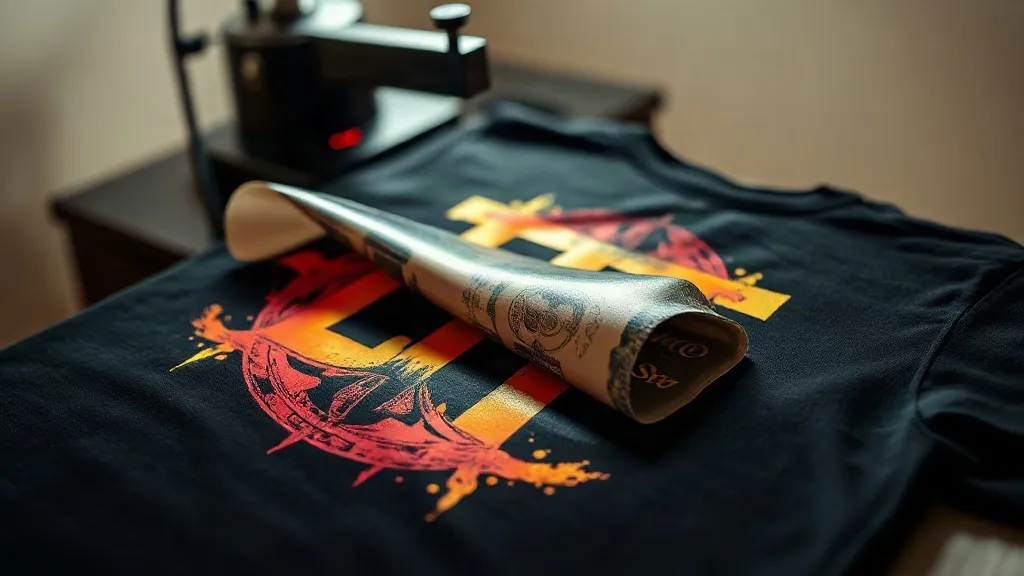
If you've been exploring custom apparel printing, you've likely heard about dtf transfers. This innovative technology is changing how creators and businesses approach fabric printing, offering vibrant colors and impressive durability on a wide range of materials. Whether you're a hobbyist looking to personalize gifts or a small business owner expanding your product line, understanding DTF can open up new creative possibilities.
What Are DTF Transfers?
DTF stands for Direct to Film. It's a printing method where your design is printed onto a special film, then coated with a powder adhesive and cured. The result is a transfer that can be heat-pressed onto fabrics. Unlike DTG (Direct to Garment) printing, which requires specialized printers and is often limited to cotton, DTF works on almost any fabric, including polyester, blends, and even dark colors. The process is gaining popularity because it eliminates the need for pre-treatment and allows for high-detail prints.
How DTF Transfers Work: Step by Step
Understanding the DTF process helps you appreciate the quality and versatility it offers. Here's a breakdown of the key steps:
1. Design Preparation
Start with a high-resolution image. DTF printers can handle intricate details, but starting with a clean file ensures the best results. Remember to mirror your design if your printer requires it, as the film is pressed face-down onto the fabric.
2. Printing
The design is printed onto a special PET film using water-based pigments. A white ink layer is typically applied behind the colors to make them pop on dark fabrics. This white layer is crucial for opacity.
3. Powder Application
While the ink is still wet, a hot-melt adhesive powder is sprinkled over the film. The powder sticks to the wet ink, and excess is shaken off. The film is then heated to melt the powder, creating a bond that will later adhere to the fabric.
4. Curing
The film is cured at a specific temperature to set the ink and adhesive. This step ensures durability and washability. Proper curing is essential for a long-lasting transfer.
5. Heat Pressing
Finally, the transfer is placed on the fabric and pressed with a heat press. The heat and pressure activate the adhesive, bonding the design to the fabric. Once cooled, the film is peeled away, leaving a soft, vibrant print.
Why Choose DTF Transfers?
DTF offers several advantages over other printing methods. Here are some compelling reasons to consider DTF for your next project:
- Versatility: Works on cotton, polyester, blends, and even treated nylon. No need for different supplies for different fabrics.
- No Pre-treatment: Unlike DTG, DTF doesn't require pre-treating the garment, saving time and money.
- Vibrant Colors: The white ink base allows for bright, opaque prints on dark materials.
- Durability: When applied correctly, DTF prints resist cracking, fading, and washing.
- Cost-effective for Small Batches: No minimum order quantities, making it ideal for one-offs or small runs.
DTF vs. Other Printing Methods
How does DTF stack up against screen printing, DTG, and vinyl? Each method has its strengths, but DTF shines in flexibility and ease of use.
DTF vs. Screen Printing
Screen printing is cost-effective for large orders but requires setup for each color. DTF is better for detailed, multi-color designs without setup costs, making it perfect for small businesses and personalized items.
DTF vs. DTG
DTG is excellent for 100% cotton but struggles with polyester and dark colors. DTF handles both with ease, and it doesn't require pre-treatment, which can be a time-saver. However, DTG may have a softer hand feel on cotton, while DTF has a slight texture.
DTF vs. Heat Transfer Vinyl (HTV)
HTV is great for simple shapes and letters but limited for complex designs. DTF allows for full-color, photographic prints with fine details, making it more versatile for intricate artwork.
Applications of DTF Transfers
From custom t-shirts to tote bags, DTF opens up a world of possibilities. Here are some popular uses:
- Custom Apparel: T-shirts, hoodies, and jackets with detailed logos or artwork.
- Promotional Items: Branded merchandise for events or giveaways.
- Home Decor: Personalized pillows, curtains, and upholstery.
- Sports Team Uniforms: Names and numbers on jerseys that withstand frequent washing.
- Fashion Prototypes: Quick sampling for fashion designers.
Tips for Successful DTF Application
To get the best results from your dtf transfers, follow these practical tips:
- Preheat the Fabric: Remove moisture and wrinkles before pressing. This helps the transfer adhere evenly.
- Use the Right Pressure: Medium to heavy pressure is typically needed. Consult your heat press manual for specifics.
- Peel Cool: Always let the transfer cool completely before peeling the film. Peeling hot can cause the design to stretch or tear.
- Wash Inside Out: To extend the life of your print, wash garments inside out in cold water and tumble dry low.
- Store Transfers Properly: Keep unused transfers in a cool, dry place away from direct sunlight.
Finding DTF Transfers Near You
If you're looking to try DTF but don't want to invest in equipment, you can order custom transfers online or search for dtf transfers near me to find local services. Many print shops now offer DTF printing, and online retailers provide fast turnaround. When choosing a supplier, consider print quality, turnaround time, and customer reviews. For high-quality dtf supplies and transfers, dtfworlds.com is a trusted source.
Common Mistakes to Avoid
Even with a straightforward process, some pitfalls can affect your results. Watch out for these:
- Insufficient Pressure: Leads to poor adhesion and early peeling.
- Wrong Temperature: Too hot can scorch the fabric or melt the film; too cool won't activate the adhesive.
- Peeling Too Soon: Waiting for the transfer to cool is crucial for a clean peel.
- Ignoring Fabric Type: Some fabrics may require lower temperatures; always test on a swatch first.
- Poor Storage: Exposure to humidity can ruin unused transfers.
Frequently Asked Questions
What fabrics can I use with DTF transfers?
DTF transfers work on a wide range of fabrics, including cotton, polyester, blends, and even some nylons. They are particularly good for dark colors because of the white ink base.
How long do DTF transfers last?
With proper application and care, DTF prints can last as long as the garment itself. They are durable and resist cracking and fading, especially when washed inside out in cold water.
Can I apply DTF transfers with a home iron?
While a heat press is recommended for professional results, you can use a home iron with careful temperature and pressure control. However, achieving consistent adhesion may be challenging.
Do I need special equipment to make DTF transfers?
Yes, you need a DTF printer, PET film, adhesive powder, and a heat press. Alternatively, you can order custom transfers from a supplier and apply them with just a heat press.
Are DTF transfers washable?
Absolutely. When applied correctly, DTF transfers are highly washable. Follow the care instructions: wash inside out, cold water, and tumble dry low.
Conclusion
DTF transfers are a game-changer in the world of custom apparel and fabric printing. Their versatility, vibrant results, and ease of use make them an attractive option for both beginners and professionals. By understanding the process and following best practices, you can achieve stunning, long-lasting prints on almost any fabric. Whether you're creating personalized gifts or launching a clothing line, DTF technology empowers you to bring your creative ideas to life.