
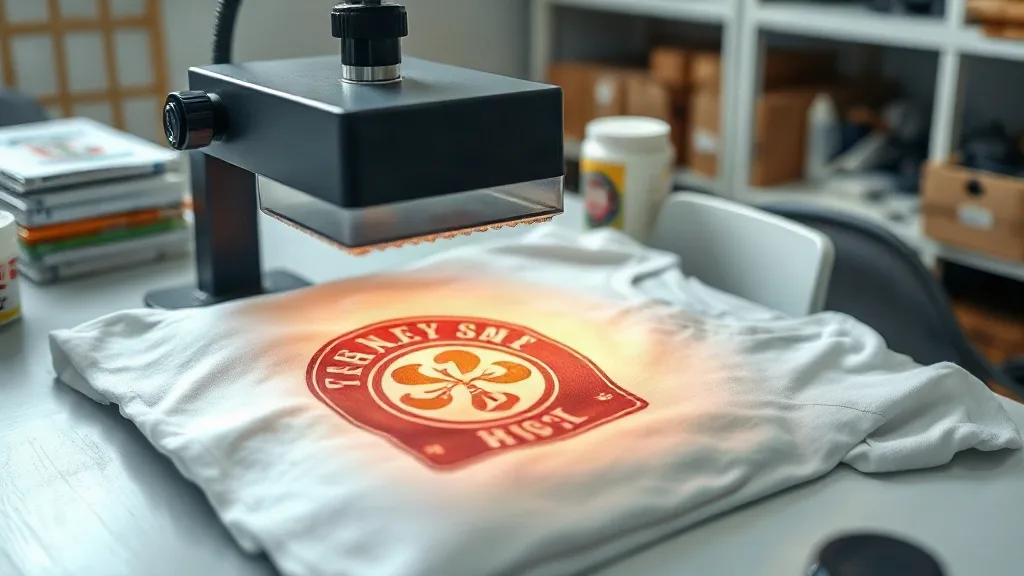
If you've been scrolling through custom apparel forums or exploring print-on-demand options, you've likely encountered the term dtf transfers. But what exactly are they, and why are they gaining such a loyal following among hobbyists and professionals alike? In this guide, we'll break down the DTF printing process, compare it to other methods, and share practical advice to help you achieve vibrant, durable prints that withstand the test of time.
What Are DTF Transfers?
DTF stands for Direct to Film. It's a printing technology where your design is printed onto a special film, then coated with a powder adhesive and cured. The result is a transfer that can be heat-pressed onto fabrics. Unlike DTG (Direct to Garment) printing, which requires the shirt to be loaded into a printer, DTF transfers are printed separately and then applied. This opens up a world of possibilities: you can print on cotton, polyester, blends, and even tough materials like canvas or denim. The process is relatively simple: print, powder, cure, and press. But each step has nuances that affect the final quality.
The DTF Printing Process Step by Step
Let's walk through the workflow so you know what to expect. First, you'll need a DTF printer (or a service that provides transfers). The printer uses special DTF inks (often pigment-based) to print your design onto a PET film. The image is printed in reverse, with a white ink layer behind the color to ensure opacity on dark fabrics. After printing, the film is dusted with a hot-melt adhesive powder (typically TPU-based). Excess powder is shaken off, and the film is cured in an oven or heat press to melt the powder. Once cured, the transfer is ready to be stored or applied. When you're ready to press, you place the transfer on your garment, apply heat and pressure, and peel the film off (hot or cold, depending on the film type). The adhesive bonds with the fabric, leaving a soft, stretchable print.
Why Choose DTF Over Other Methods?
You might be wondering how DTF compares to screen printing, vinyl, or DTG. Here's a quick breakdown:
- No color limits: Unlike screen printing, DTF can handle full-color designs with gradients and fine details without setup costs per color.
- Works on multiple fabrics: DTG is mainly for cotton, while DTF adheres to polyester, blends, and even treated nylon. This versatility is a game-changer for small businesses that offer a variety of garments.
- Low minimums: Screen printing requires screens for each color, making short runs expensive. DTF is cost-effective for one-off items or small batches.
- Durability: When applied correctly, DTF prints resist cracking, fading, and washing. They stretch with the fabric, making them ideal for sportswear.
- Soft hand feel: Modern DTF films and powders produce a print that feels soft to the touch, not like a plastic patch.
Of course, DTF isn't perfect. The white ink layer can make prints slightly thicker than DTG, and the process requires careful temperature control. But for many, the benefits far outweigh the drawbacks.
Getting Started: What You Need for DTF at Home
Interested in trying DTF yourself? You don't need a full industrial setup to start. Here's what you'll need:
- A DTF printer or a transfer supplier: If you're not ready to invest in a printer, you can order pre-printed transfers from a service. Many companies offer custom transfers with fast turnaround.
- DTF film and powder: If you're printing yourself, you'll need compatible film and adhesive powder. Quality matters here; cheap film can cause jams or poor adhesion.
- A heat press: A reliable heat press is essential. You'll need consistent temperature and pressure. A clamshell or swing-away press works well.
- A curing oven or heat gun: To melt the powder, you can use a dedicated curing oven or a heat gun. Some people use a heat press for curing, but it's less efficient.
- Garments for testing: Start with 100% cotton and 50/50 blends to understand how the transfer behaves on different fabrics.
If you're outsourcing transfers, you'll skip the printing and curing steps. Just press and go. This is a popular option for side hustlers who want to offer custom apparel without the overhead.
Choosing the Right DTF Transfer Supplier
When you search for dtf transfers near me, you'll find plenty of options. But not all suppliers are created equal. Look for these qualities:
- Clear instructions: A good supplier provides pressing parameters (temperature, time, pressure) for their specific film.
- Consistent quality: Read reviews about color vibrancy and durability. Poorly made transfers may crack after a few washes.
- Fast shipping: If you're fulfilling orders, you don't want to wait weeks for transfers.
- Sample packs: Order a sample before committing to a large batch. Test on your intended fabric.
- Customer support: Responsive support can help you troubleshoot issues.
Many suppliers offer gang sheets, where multiple designs are printed on one sheet to save money. This is great for small businesses that want variety without high costs.
Pressing Like a Pro: Techniques for Flawless Application
You've got your transfers, and you're ready to press. But the difference between a amateur and a professional result often comes down to technique. Here are key tips:
Temperature and Pressure Matter
Each film and powder combination has its sweet spot. Typically, you'll press at 300-325°F (150-160°C) for 10-15 seconds with medium to firm pressure. But always follow the supplier's recommendations. Too hot, and the film may scorch or the adhesive may bleed. Too cold, and the transfer won't adhere properly. Use a infrared thermometer to verify your press's actual temperature, as dials can be off.
Pre-press Your Garment
Moisture is the enemy of DTF. Pre-press your shirt for 5-10 seconds to remove wrinkles and moisture. This step also helps the transfer bond evenly. If you're using a cotton shirt, you might need a longer pre-press to eliminate all moisture.
Peel Carefully
Most DTF transfers are hot peel, meaning you remove the film immediately after pressing while it's still hot. But some are cold peel. Using the wrong method can ruin the transfer. Hot peel films are designed to be removed quickly; cold peel films need to cool completely before peeling. Always check the instructions. When peeling, do it in a smooth, continuous motion, starting from one corner.
Post-Press for Durability
After peeling, some apply a second press with a Teflon sheet or parchment paper for a few seconds to ensure the adhesive fully sets. This step can improve wash durability. Also, avoid washing the garment for at least 24 hours after pressing to allow the adhesive to cure fully.
Common DTF Mistakes and How to Avoid Them
Even experienced crafters run into issues. Here are some frequent pitfalls and solutions:
- Ghosting: If the transfer shifts during pressing, you'll get a double image. Use a heat-resistant tape to secure the transfer before pressing.
- Incomplete adhesion: This often happens if the pressure is too low or the garment is too thick. Increase pressure and ensure the platens are level.
- Color fading after wash: This can result from under-curing the powder or using low-quality ink. Make sure to cure the powder fully (usually until it looks matte, not glossy) and choose reputable suppliers.
- Film buckling: If the film curls during pressing, it may be due to moisture. Pre-press the garment and store film in a dry place.
- Sticky residue: Sometimes a little adhesive remains on the film after peeling. This is normal; just press the area again with a Teflon sheet to melt it into the fabric.
Testing on scrap fabric is the best way to dial in your settings. Keep a log of temperature, time, and pressure for each fabric type.
DTF in Action: Real-World Applications
So where can you use DTF? The short answer: almost anywhere. Here are some inspiring ideas:
- Custom t-shirts for events: Family reunions, bachelorette parties, or team uniforms. DTF handles photos and complex graphics with ease.
- Personalized gifts: Tote bags, aprons, and pillowcases. DTF adheres to many materials, so you're not limited to cotton.
- Sportswear: Because DTF stretches with the fabric, it's great for jerseys and leggings. The print won't crack when the garment flexes.
- Small business merch: Low minimums make DTF perfect for testing new designs. You can order one-off samples before committing to inventory.
- Home décor: Canvas shoes, denim jackets, and even leather patches. DTF opens up creative possibilities.
One of our readers, a hobbyist who makes shirts for local markets, shared that switching to DTF cut her production time in half. She no longer weeding vinyl or cleaning screens, and she can offer full-color designs without price hikes.
Frequently Asked Questions About DTF Transfers
How long do DTF transfers last?
With proper application and care, DTF prints can last 50+ washes without significant fading or cracking. Wash inside out in cold water and avoid harsh detergents.
Can I use DTF on 100% polyester?
Yes, DTF works well on polyester, but you may need to adjust pressing parameters. Lower temperature (around 280°F) and shorter time can prevent dye migration. Always test first.
What's the difference between DTF and DTG?
DTG prints directly onto the garment, while DTF prints onto a film that is then transferred. DTF works on more fabric types and often has a softer hand feel on dark colors. DTG is better for 100% cotton and very fine details.
Do I need a special printer for DTF?
You can convert some inkjet printers to DTF, but dedicated DTF printers are recommended for reliability. Alternatively, order transfers from a supplier and use a heat press to apply.
Can I stretch a DTF print?
Yes, DTF prints are flexible and will stretch with the fabric. However, excessive stretching may cause cracking over time. Choose a powder and film designed for stretch fabrics.
DTF transfers have democratized custom apparel, making it accessible to beginners and scalable for businesses. Whether you're printing at home or ordering from a service, understanding the process and avoiding common mistakes will set you up for success. So why not give it a try? Your next custom creation might be just a press away.