
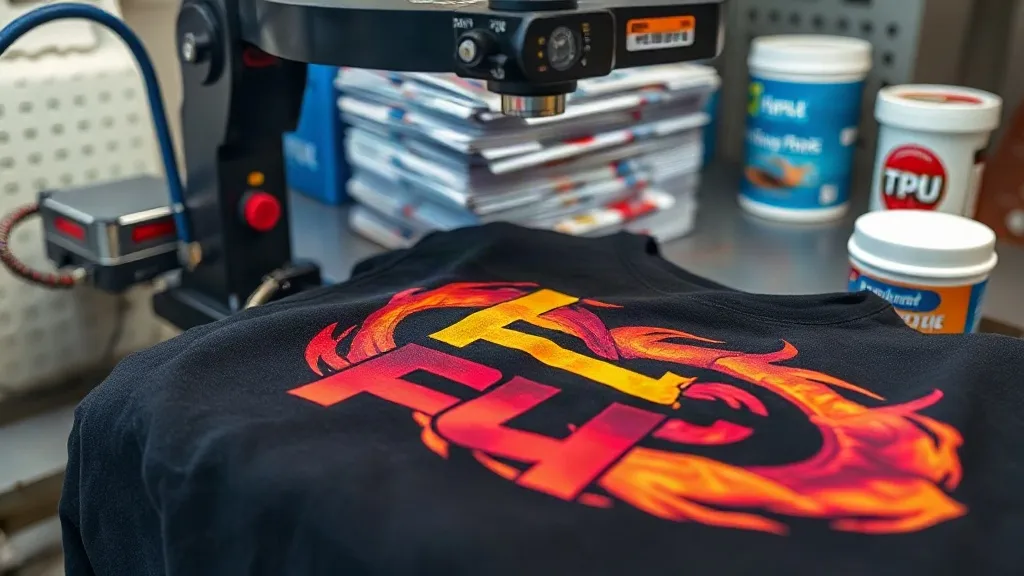
If you've been exploring custom apparel printing, you've likely encountered dtf transfers. This method has rapidly gained popularity for its versatility and vibrant results. Unlike traditional screen printing or vinyl, DTF (Direct to Film) allows you to print full-color designs on virtually any fabric with remarkable durability. In this guide, we'll walk you through the entire process, from understanding the technology to applying transfers like a seasoned pro.
What Are DTF Transfers?
DTF transfers are printed designs on a special film that can be heat-pressed onto fabrics. The process involves printing your artwork onto a PET film using specialized dtf printers and inks. A thermoplastic polyurethane (TPU) powder is then applied to the wet ink, which acts as an adhesive when heated. Once the powder is melted, the transfer is ready to be pressed onto a garment. The result is a soft, stretchable print that bonds permanently to the fabric.
How DTF Works: Step by Step
Here's a breakdown of the DTF printing process:
- Design Preparation: Your artwork is prepared digitally, ensuring it's mirrored and properly sized.
- Printing: The design is printed onto a DTF film using CMYK and white inks. The white ink layer provides opacity on dark fabrics.
- Powder Application: While the ink is still wet, TPU powder is sprinkled evenly over the design. Excess powder is shaken off.
- Curing: The film is heated to melt the powder, creating a adhesive layer.
- Pressing: The transfer is placed on the fabric and pressed with a heat press to bond the design.
Each step is crucial for a successful transfer. Skipping or rushing any stage can lead to poor adhesion or washed-out colors.
Why Choose DTF Transfers?
DTF offers several advantages over other printing methods:
- Versatility: Works on cotton, polyester, blends, and even nylon. No need for special coatings or pre-treatment.
- Full-Color Complex Designs: Unlike vinyl, DTF can handle gradients, photographs, and intricate details without color limitations.
- Durability: Prints resist cracking, peeling, and fading even after multiple washes.
- Soft Hand Feel: The TPU powder creates a thin, flexible layer that doesn't feel rubbery.
- Cost-Effective for Small Runs: No screens or setup fees, making it ideal for one-offs or small batches.
For businesses and hobbyists alike, DTF provides a low-barrier entry into custom apparel.
Choosing the Right DTF Supplies
Quality supplies are key to professional results. Here's what to look for:
DTF Films
Films come in two types: cold peel and hot peel. Cold peel films require the transfer to cool completely before removing the carrier sheet, while hot peel films can be removed while still warm. Hot peel is faster but less forgiving; cold peel offers more control. Choose a film that matches your printer and workflow.
DTF Inks
Use high-quality DTF inks designed specifically for the process. Cheap inks can clog printheads and produce dull colors. Look for inks that are vibrant, wash-fast, and compatible with your printer.
TPU Powder
The powder's particle size affects the feel and durability. Finer powders (80-100 microns) create a softer hand feel but may require more careful application. Coarser powders (150-200 microns) are more forgiving but can feel rougher. Experiment to find your preference.
Step-by-Step Guide to Applying DTF Transfers
Applying a DTF transfer correctly ensures a long-lasting, professional finish. Follow these steps:
1. Prepare Your Workspace
Set up your heat press on a stable surface. Ensure it's leveled and clean. Preheat the press to the recommended temperature (usually 300-330°F or 150-165°C).
2. Preheat the Garment
Place the garment on the press and preheat for 5-10 seconds to remove moisture and wrinkles. This step improves adhesion.
3. Position the Transfer
Place the DTF transfer on the garment with the printed side facing up. If your transfer has a carrier sheet, ensure the design is facing the fabric. Use heat-resistant tape to secure it if needed.
4. Press the Transfer
Apply medium to firm pressure for 10-15 seconds. The exact time and temperature depend on your film and powder, so always check the manufacturer's recommendations. Too little pressure results in poor adhesion; too much can cause the design to spread.
5. Peel the Carrier Sheet
For hot peel films, remove the carrier sheet immediately after pressing while it's still warm. For cold peel, wait until it cools completely. Peel in a smooth, steady motion.
6. Post-Press (Optional)
For extra durability, you can cover the design with a Teflon sheet or parchment paper and press again for 5 seconds. This ensures the powder fully melts and bonds.
Common Mistakes to Avoid
Even experienced users can run into issues. Here are pitfalls to watch out for:
- Insufficient Pressure: Leads to poor adhesion and early peeling.
- Wrong Temperature: Too low and the powder won't melt; too high and the film may scorch.
- Not Preheating the Fabric: Moisture can cause steam pockets and uneven transfer.
- Peeling Too Early or Too Late: Follow the film's instructions for hot vs. cold peel.
- Using the Wrong Powder: Always use TPU powder designed for DTF; craft powder won't work.
Test on scrap fabric before pressing your final garment.
Finding DTF Transfers Near You
If you're looking to buy DTF transfers locally, searching for dtf transfers near me can help you find suppliers or print shops in your area. Local sources offer faster turnaround and the ability to inspect quality firsthand. However, online retailers like DTF Worlds provide a wider selection and competitive pricing. Consider your volume, timeline, and need for customization when choosing.
DTF vs. Other Printing Methods
How does DTF stack up against screen printing, DTG, and vinyl?
- Screen Printing: Better for large orders of simple designs; DTF wins for complex, small-batch jobs.
- DTG (Direct to Garment): DTG requires pre-treatment and works best on 100% cotton. DTF works on more fabrics and has a softer feel.
- Vinyl: Vinyl is limited to single-color designs and can feel heavy. DTF handles full color with ease.
DTF is often the most versatile choice for startups and custom projects.
Frequently Asked Questions
Can I use DTF transfers on dark fabrics?
Yes, DTF transfers include a white ink layer that provides a bright, opaque base, making them ideal for dark colors.
How long do DTF transfers last?
With proper application and care, DTF prints can last as long as the garment itself. They resist cracking and fading for 50+ washes.
Do I need a special printer for DTF?
Yes, you need a DTF printer that uses DTF inks and can print white ink. Converted inkjet printers are available, but dedicated DTF printers offer better reliability.
Can I stretch DTF prints?
DTF transfers are stretchable, making them suitable for athletic wear and stretchy fabrics. The TPU powder creates a flexible bond.
What's the difference between hot peel and cold peel DTF film?
Hot peel film allows you to remove the carrier sheet immediately after pressing, speeding up production. Cold peel requires the transfer to cool before peeling, which can provide a slightly smoother finish.
DTF transfers have revolutionized custom apparel by combining versatility, durability, and ease of use. Whether you're a hobbyist or a business owner, mastering DTF opens up a world of creative possibilities. With the right supplies and techniques, you'll achieve professional results every time.