
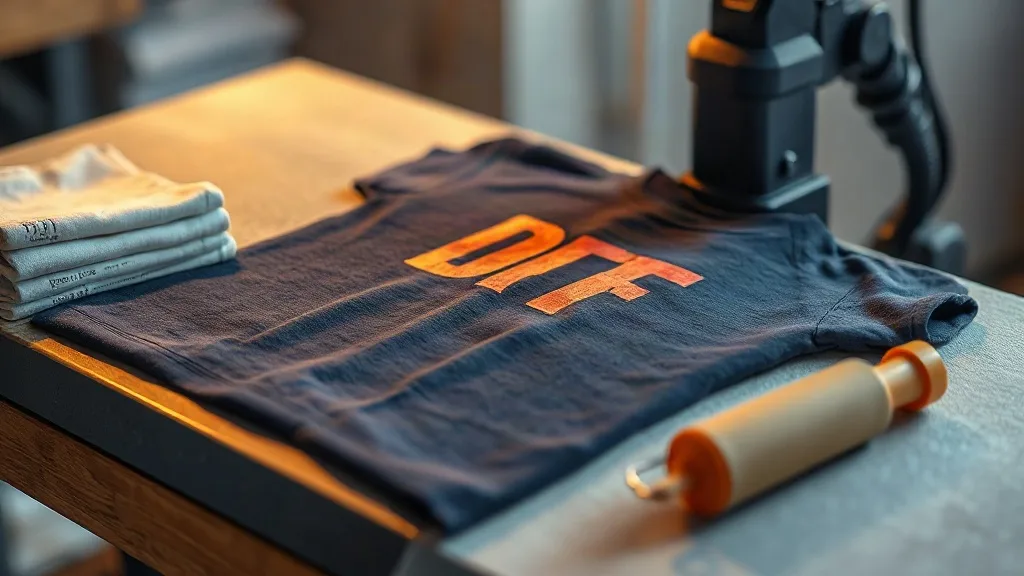
You've dialed in your printer settings, perfected your powder application, and mastered the press. Yet sometimes prints still fail. The culprit often isn't the dtf process itself but the fabric you're pressing onto. Not all garments are created equal, and the surface you choose plays a huge role in how well your transfer adheres, feels, and lasts. This guide dives into fabric selection and preparation, giving you the knowledge to match your dtf transfers to the right materials and prep them for success.
Why Fabric Choice Matters for DTF Transfers
DTF transfers are incredibly versatile, but they aren't magic. The adhesive powder that bonds the print to the fabric needs a compatible surface to grip. Fabrics with high synthetic content, loose weaves, or heavy finishes can interfere with adhesion, leading to peeling, cracking, or a stiff hand feel. Understanding fabric composition helps you set realistic expectations and choose garments that will showcase your prints beautifully.
Natural fibers like cotton and blends with high cotton content tend to work well because they provide a stable, slightly porous surface. Synthetics like polyester can also work, but they often require lower pressing temperatures to avoid melting or dye migration. The key is to know your fabric and adjust your process accordingly.
Best Fabrics for DTF Transfers
While DTF can adhere to almost any fabric, some yield superior results in terms of durability, vibrancy, and comfort. Here are the top performers:
- 100% Cotton: The gold standard. Cotton offers excellent adhesion, a soft hand feel, and vibrant colors. It's forgiving and widely available.
- Cotton-Poly Blends (50/50 or higher cotton): These combine the softness of cotton with the durability of polyester. Prints adhere well and resist cracking.
- Polyester: Works well, but requires careful temperature control. Lower temperatures (around 280-300°F) prevent scorching and dye migration. Use a pressing pillow or cool peel for best results.
- Canvas and Denim: Heavier fabrics provide a stable base and hold up well to the heat press. They can handle higher pressures without distorting.
For a deeper look at dtf transfers near me and fabric compatibility, check with local suppliers who often share tested recommendations.
Fabrics to Approach with Caution
Some fabrics are trickier and may not deliver the longevity you expect. Consider these before committing:
- Nylon and Silk: These delicate fabrics can be damaged by heat and may not bond well with the adhesive. Test on a small area first.
- Water-Repellent or Coated Fabrics: The coating prevents the adhesive from reaching the fibers, causing poor adhesion. Pre-treating or avoiding these is best.
- Loose Knits and Open Weaves: The transfer may not have enough surface contact, leading to premature peeling. Use a finer mesh or consider a different decoration method.
- Fleece and Terry Cloth: The textured surface can make it hard for the transfer to adhere uniformly. A heat press with good pressure can help, but results may vary.
Preparing Fabrics for Flawless DTF Application
Even the right fabric needs proper prep. Follow these steps to ensure a strong bond:
- Pre-Press the Garment: This removes moisture and wrinkles. Press for 5-10 seconds at your intended transfer temperature. Moisture is the enemy of adhesion.
- Check for Wrinkles: Any wrinkle will show through the transfer. Press until the surface is perfectly smooth.
- Consider a Lint Roller: Remove any lint or dust that could interfere with the adhesive.
- Use a Teflon Sheet or Parchment Paper: Protect your press and the garment during pre-pressing.
For more detailed guidance on dtf techniques, explore our other resources.
Adjusting Your Process for Different Fabrics
Once you've selected and prepped your fabric, tailor your pressing parameters:
- Temperature: Cotton can handle 320-340°F, while polyester prefers 280-300°F. Always verify with a test piece.
- Pressure: Medium to firm pressure ensures even contact. Too little pressure causes poor adhesion; too much can flatten the fabric or cause the transfer to shift.
- Time: Typically 10-15 seconds for the transfer, but adjust based on fabric thickness. Heavier fabrics may need a few extra seconds.
- Peel: Most DTF transfers are hot peel, but some prefer cold peel for synthetics. Follow the transfer manufacturer's recommendation.
Remember to always perform a wash test on a sample before committing to a full production run.
Common Fabric-Related Issues and Fixes
Even with the best prep, problems can arise. Here's how to troubleshoot:
- Peeling After Wash: Likely due to insufficient pressure, wrong temperature, or fabric finish. Try increasing pressure or pre-washing the garment to remove sizing.
- Cracking: Often caused by over-stretching the fabric during pressing or using too high a temperature that embrittles the adhesive. Adjust settings and handle garments gently.
- Color Fading: Some fabrics, especially cheap polyester, may bleed dye. Use a lower temperature and consider a dye-blocking underlay.
- Stiff Hand Feel: This can happen with heavy powder application or incompatible fabrics. Use less powder and choose softer fabrics.
For more in-depth solutions, see our guide on fixing common print failures.
Frequently Asked Questions
Can I use DTF transfers on 100% polyester?
Yes, but you need to adjust your press settings. Use a lower temperature (around 280-300°F) and consider a cool peel to prevent dye migration and scorching. Always test on a scrap piece first.
How do I prepare a shirt for DTF transfer to ensure it lasts?
Pre-press the shirt for 5-10 seconds to remove moisture and wrinkles. Ensure the surface is smooth and lint-free. Use a Teflon sheet to protect the fabric during pre-pressing.
What is the best fabric for DTF transfers for beginners?
100% cotton is the most forgiving. It adheres well, feels soft, and produces vibrant colors. Cotton-poly blends are also good and offer durability.
Why do my DTF transfers peel after washing?
Peeling usually stems from insufficient pressure during transfer, incorrect temperature, or fabric finishes that repel the adhesive. Try increasing pressure, verifying temperature, and pre-washing the garment to remove sizing.
Can I apply DTF transfers to nylon or silk?
It's possible but risky. These fabrics are heat-sensitive and may not bond well. Always test on a hidden area and use low heat with a press cloth. For delicate fabrics, consider alternative decoration methods.